Center for Clinical Sciences in Dermatology Resources
The CCSD, founded in 2023 by Drs. Gelfand (Director) and Margolis (Associate-Director), is the scientific home for new and established faculty who are primarily interested in leading clinical sciences research that is applied to dermatology. The central scientific theme of the CCSD is to develop and apply rigorous epidemiological, statistical, informatics, and clinical translational science methods to integrate knowledge from the basic study of cutaneous illnesses to the population at large. The overall goal of the CCSD is to be the world-leading center of cutaneous clinical epidemiological research and clinical evaluation aspects of translational research in dermatology.
The CCSD has several cores of expertise, including but not limited to:
Artificial Intelligence and Informatics
Clinical Epidemiology
Clinical trials design and execution
Community-based Participatory Research
Dissemination Research
Environmental Epidemiology
Health Disparities Research
Health Services Research
Instrument Development
Pharmacoepidemiology
Molecular/Genetic Epidemiology
Qualitative Research
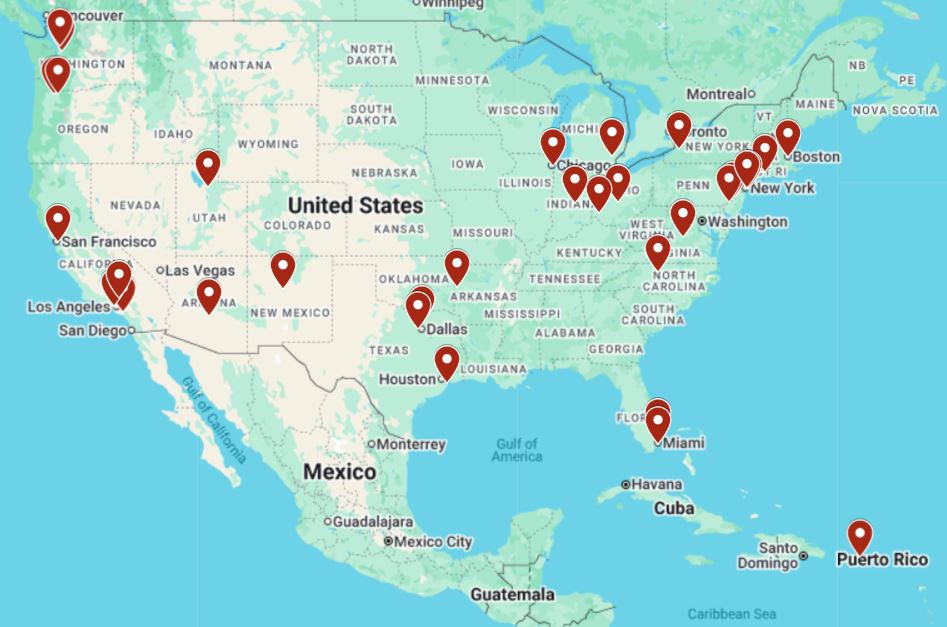
The CCSD has six core faculty who are trained epidemiologists/biostatisticians and experts in observational studies, large scale (big data) administrative and claims medical records databases, clinical trials, pragmatic studies, qualitative research, and implementation science. CCSD collects observational and interventional data from over 50 dermatology sites across the US that participate in the Dermatology Clinical Effectiveness Research Network (DCERN, founded by Dr. Gelfand in 2009).
CCSD also is home to several novel datasets:
1) The Incident Health Outcomes and Psoriasis Events study (iHOPE), a prospective population-based study of over 9000 patient with psoriasis embedded in a United Kingdom medical record system;
2) Imaging, data, and blood specimens from the Vascular Inflammation in Psoriasis (VIP) trials which evaluated the impacts of adalimumab, apremilast, phototherapy (ultraviolet B), secukinumab, and ustekinumab compared to placebo on cardiometabolic disease;
3) A pragmatic study (LITE Study, N=783) of home vs office phototherapy for plaque and guttate psoriasis;
4) Tissue biobank (skin and blood) of deeply phenotyped psoriasis patients not on treatment
5) Pediatric Eczema Elective Registry (PEER, N= 8,000 children with eczema follow for up to 10 years)
6) Genetics of Atopic Dermatitis Cohort (GAD, N=583), and
7) UK general practice cohort of mothers and their child (N > 800,000).
Access to these datasets, dedicated analytic workstations, and software such as Stata and OsiriX, are provided by the CCSD or the Penn Institute for Biomedical Informatics. CCSD has 7 offices, a dedicated exam room, and 600 square feet of dedicated office space and is staffed by a senior administrative director, 3 data managers, 3 project managers, and 6 research coordinators. The CCSD also provides research-training opportunities for pre-doctoral and post-doctoral fellows and hosts visiting dermatology scholars from across the world.
Dermatology Clinical Effectiveness Research Network (DCERN)