Penn Dermatology Training
  • Training Home
  • T32 Training
    • T32 Program Description
    • T32 Trainers
    • T32 Current Trainees
    • T32 Past Trainees
    • T32 Application Information
  • SOC
    • SOC – Fellowship Program Description
    • SOC – Fellowship Application information
    • SOC – Current Fellows
  • ECuRE
    • ECuRE Program Description
    • ECuRE Previous Recipients
    • ECuRE Application Information
  • PASH
    • PASH Program Description
    • PASH Application Information
    • PASH Cohorts
  • Publications
  • News
  • Events
  • Resources
  • Menu Menu

Penn Derm – Publications Highlights

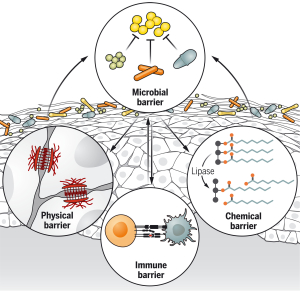
Microbiota and maintenance of skin barrier function

Harris-Tyron & Grice, Science, 2022

HiCuT: An efficient and low input method to identify protein-directed chromatin interactions

Sati et al., PLOS Genetics, 2022

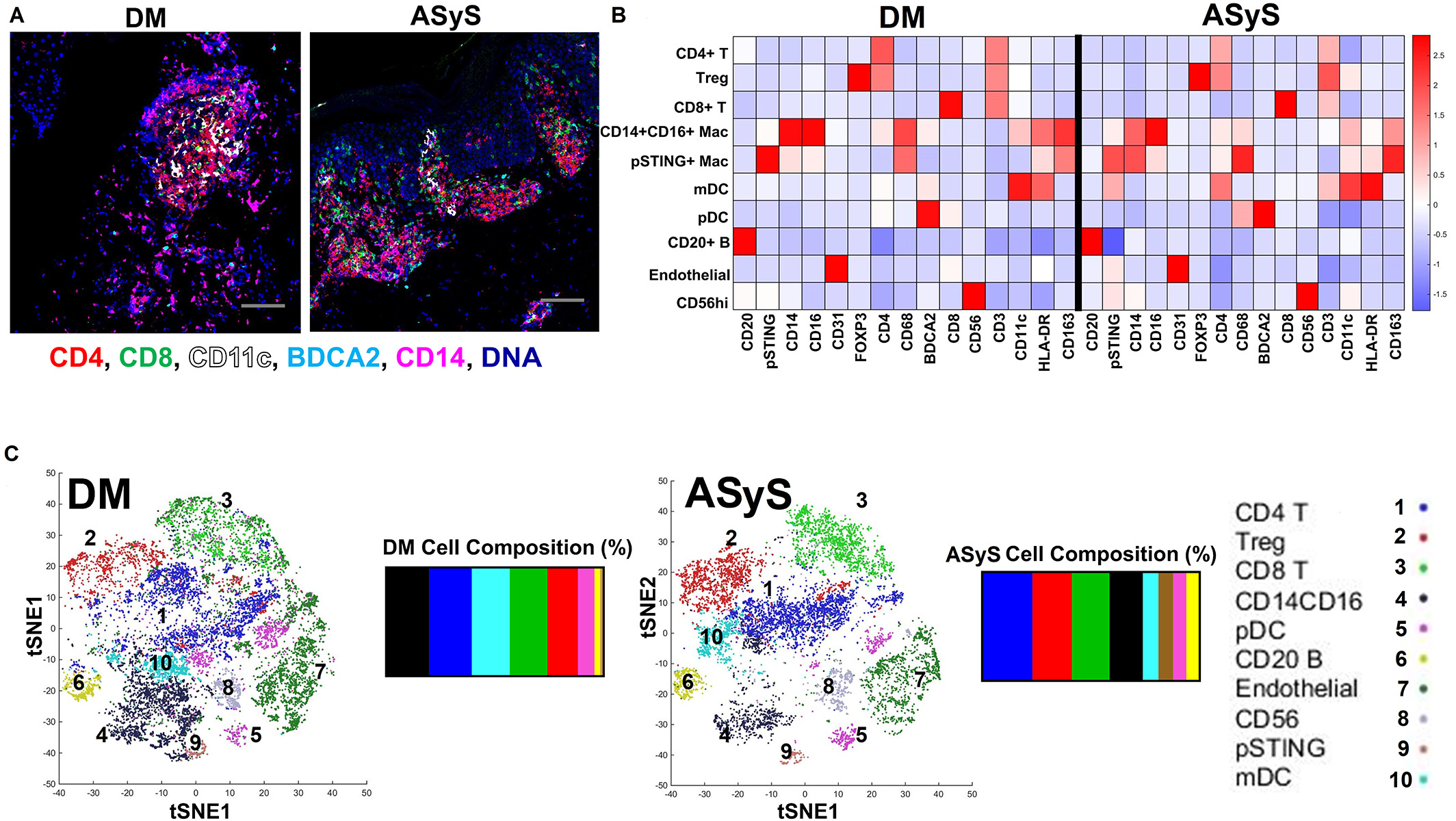
Identification of Similarities Between Skin Lesions in Patients With Antisynthetase Syndrome and Skin Lesions in Patients With Dermatomyositis by Highly Multiplexed Imaging Mass Cytometry

Patel et al., Arthritis Rheumatol, 2022

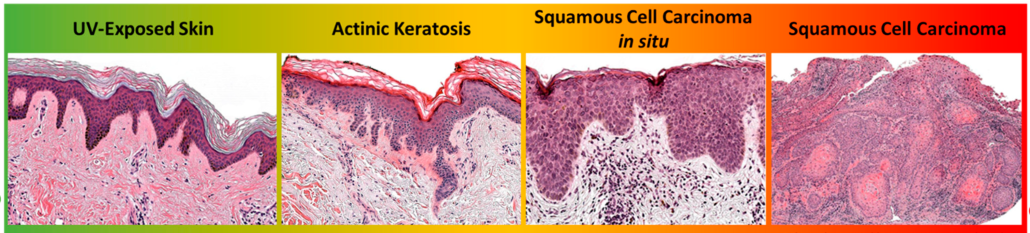
Molecular Mechanisms of Cutaneous Squamous Cell Carcinoma

Hedberg et al., Int J Mol Sci, 2022

FZD2 Regulates Murine Hair Follicle Function and Maintenance

Brennan-Crispi, et al., J Invest Dermatol., 2023

Endogenous DOPA inhibits melanoma through suppression of CHRM1 signaling

Doepner, et al., Sci Adv., 2022

ZIP9 Is a Druggable Determinant of Sex Differences in Melanoma

Aguirre-Portoles et al., Cancer Res, 2021

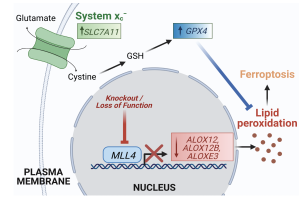
MLL4 mediates differentiation and tumor suppression through ferroptosis

Egolf et al., Science Advances, 2021

Link to Egolf et al., Sci Advances, 2021_graphical abstract

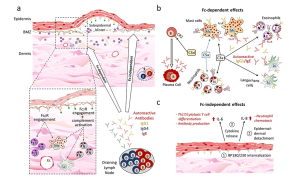
Pemphigus and Pemphigoid: From Disease Mechanisms to Druggable Pathways

Ellebrecht, Maseda & Payne, JID 2021

Link to Ellebrecht, Maseda & Payne, JID 2021

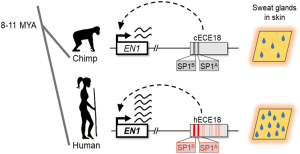
Repeated mutation of a developmental enhancer contributed to human thermoregulatory evolution

Aldea et al. PNAS 2021

Link to Aleda et al. PNAS 2021

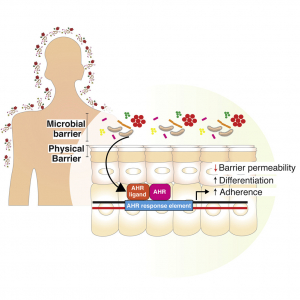
Commensal microbiota regulates skin barrier function and repair via signaling through the aryl hydrocarbon receptor

Uberoi et al., Cell & Host Microbe, 2021

Link to Uberoi et al., 2021

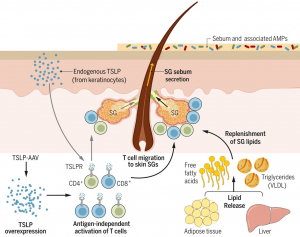
Thymic stromal lymphopoietin induces adipose loss through sebum hypersecretion

Choa et al., Science, 2021

Link to Choa et al., 2021

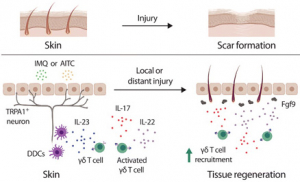
Activation of TRPA1 nociceptor promotes systemic adult mammalian skin regeneration

Wei et al., Science Immunology, 2021

Link to Wei et al., Science Immunology, 2021

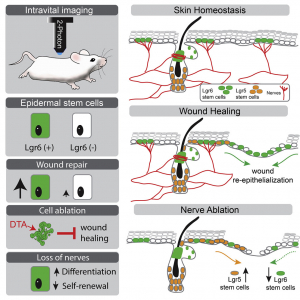
Lgr6 marks epidermal stem cells with a nerve-dependent role in wound re-epithelialization

Huang et al., Cell Stem Cell, 2021

Link to Huang et al., 2021

Two-photon live imaging of single corneal stem cells reveals compartmentalized organization of the limbal niche

Farrelly et al., Cell Stem Cell, 2021

Link to Farrelly et al., Cell Stem Cell, 2021

Contact Us

Penn Dermatology Training Programs

421 Curie Blvd.

1016 BRB2/3

Philadelphia, PA 19104

PennDermT32@pennmedicine.upenn.edu

Explore Penn Dermatology

  • Penn Dermatology Main Site
  • SBDRC: Skin Biology and Diseases Resource-based Center
  • Alumni
  • Giving

Follow Us on Social Media

Scroll to top